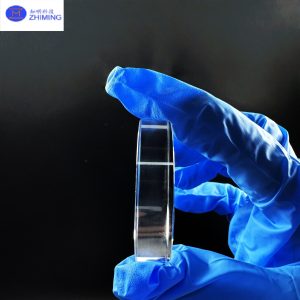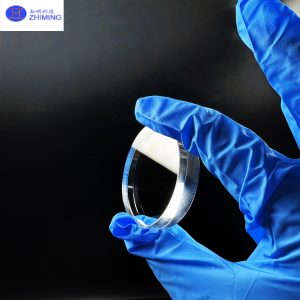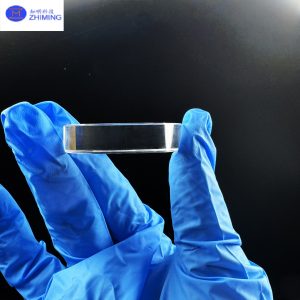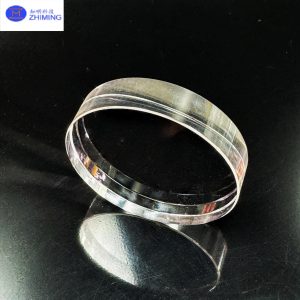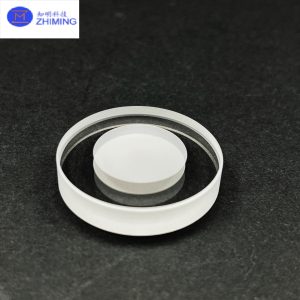
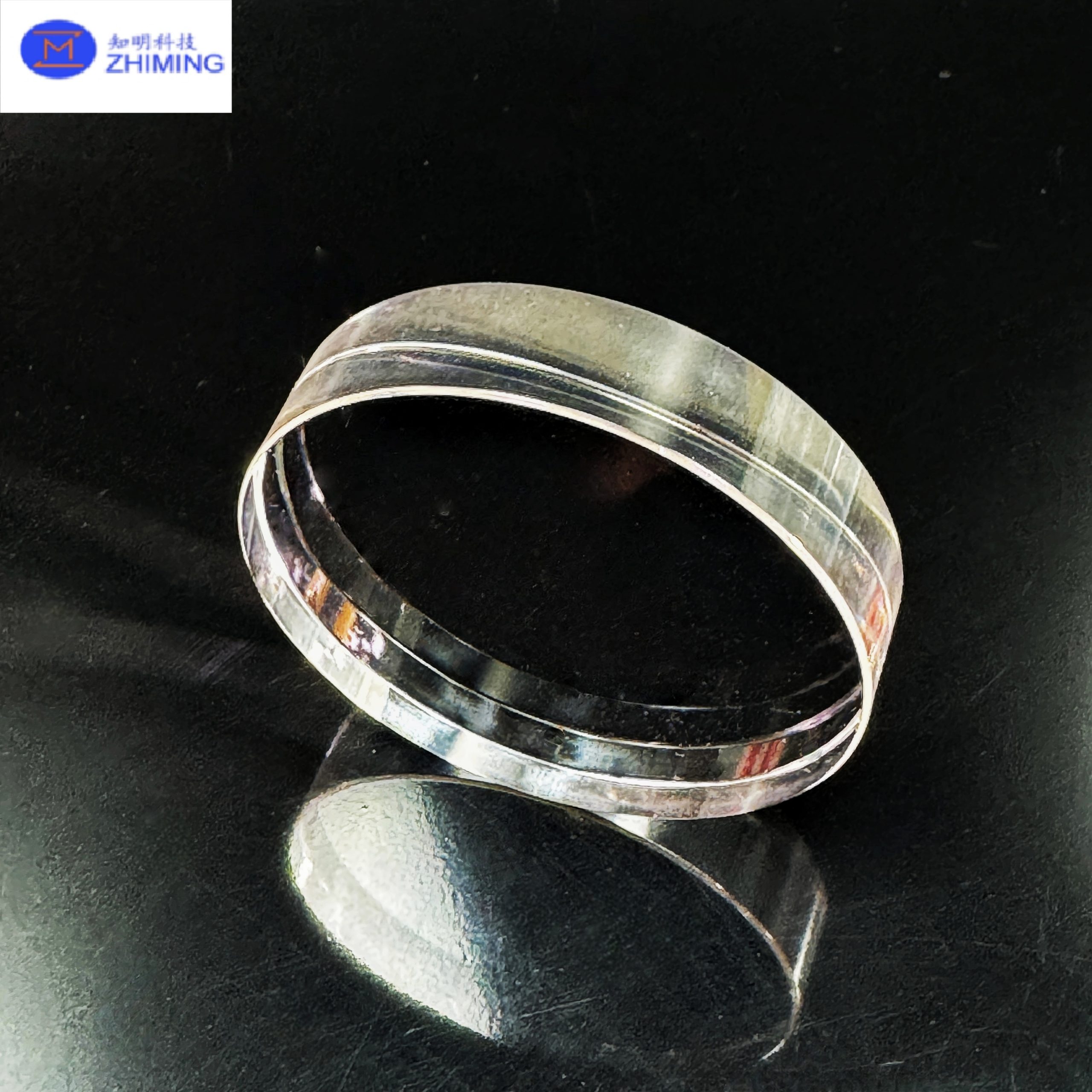
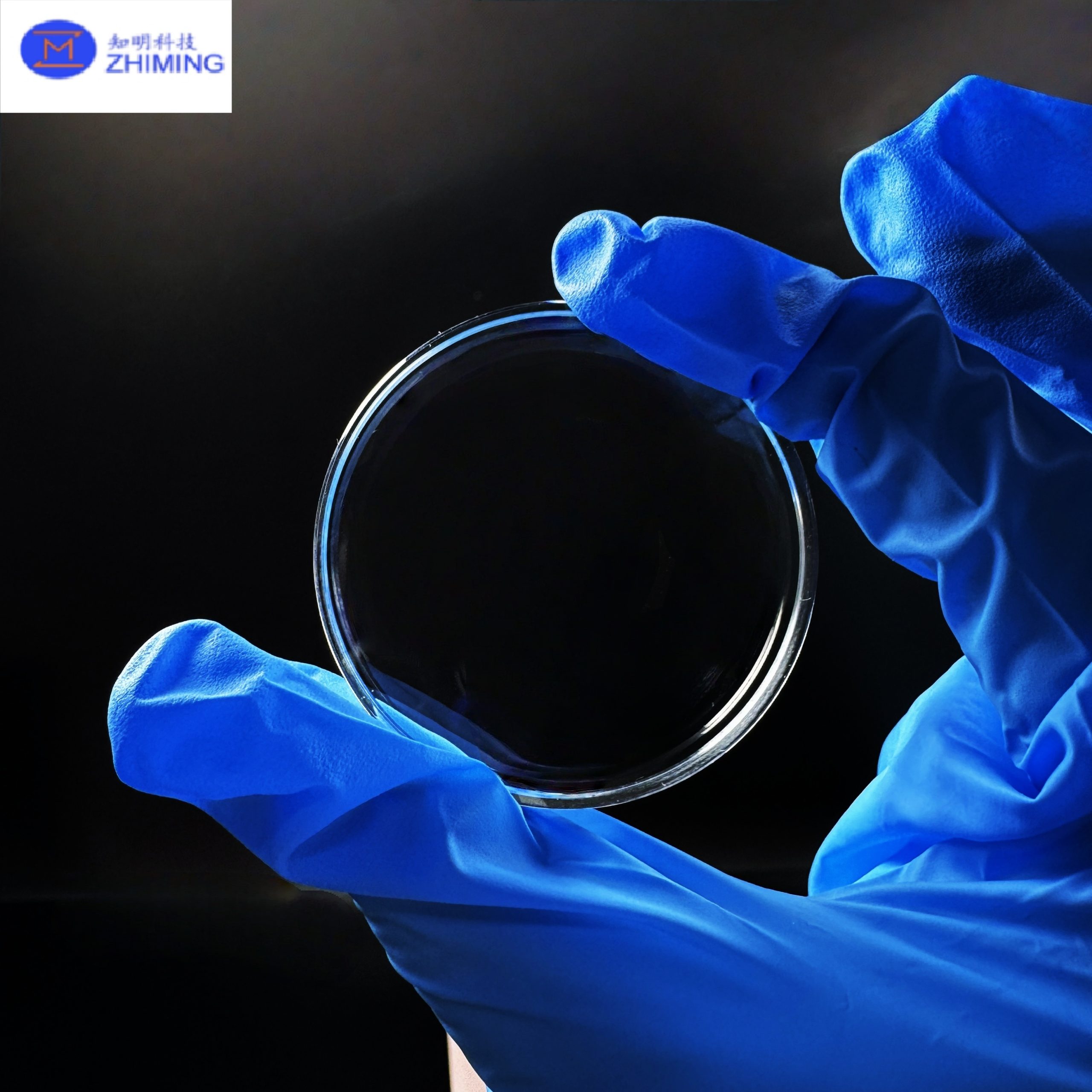
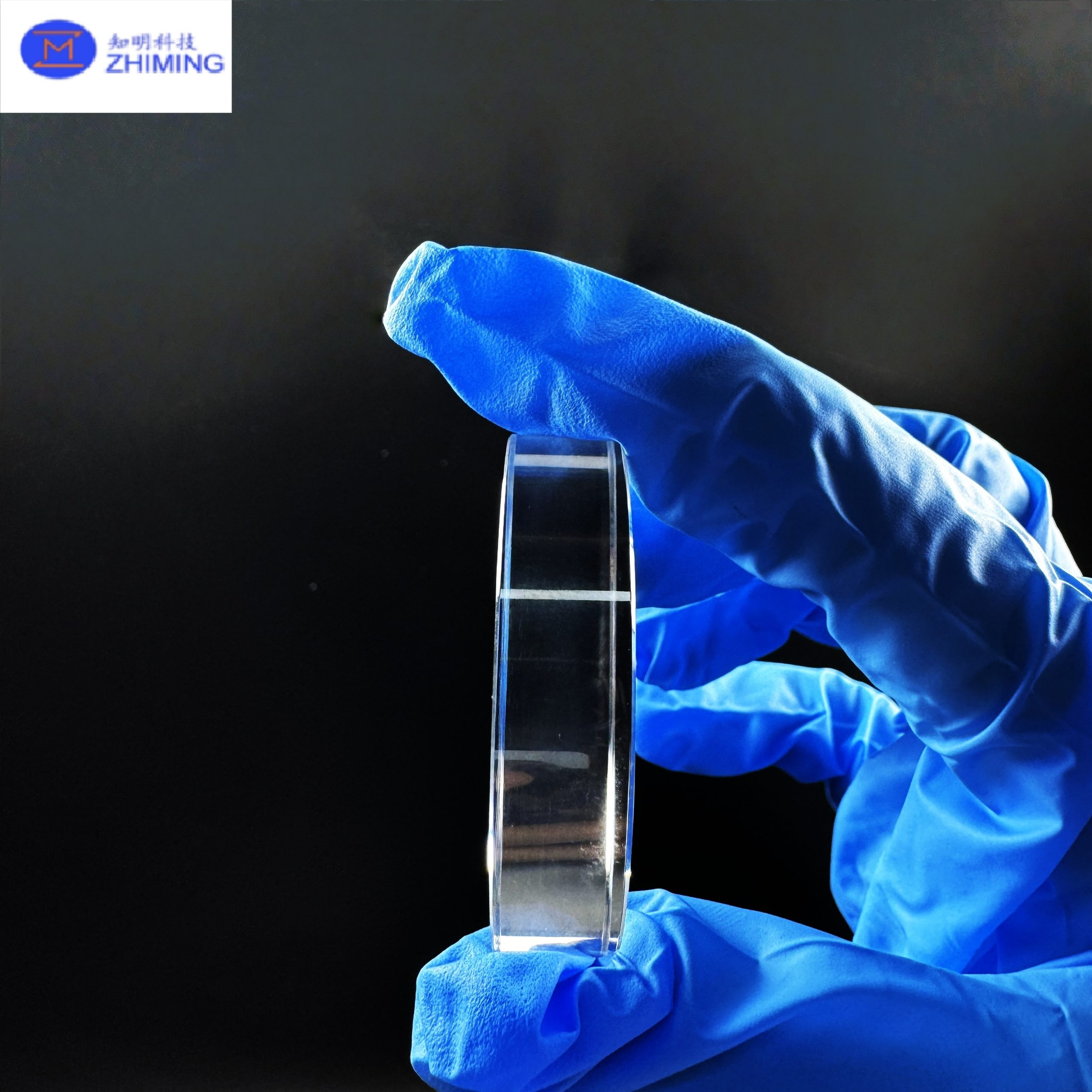
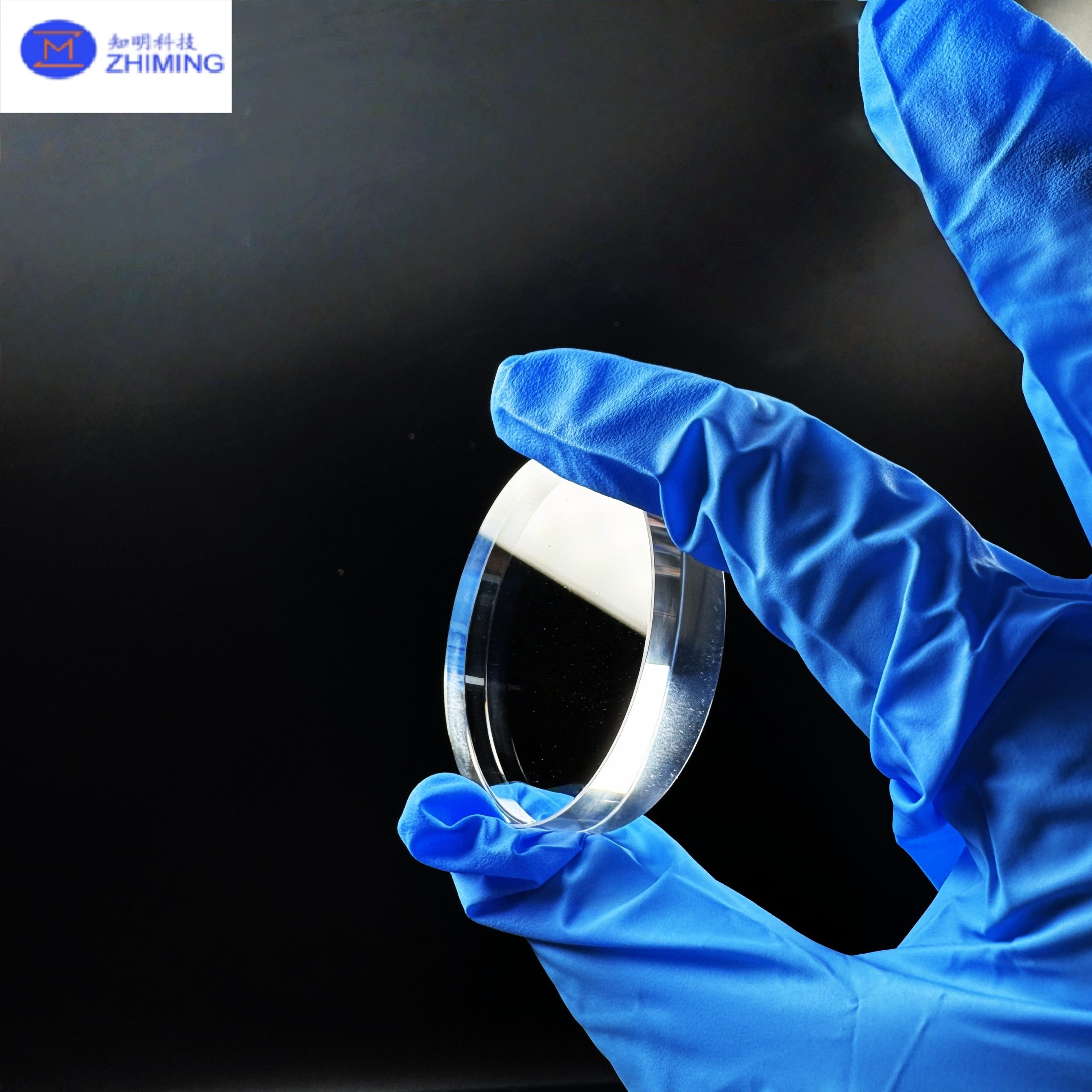
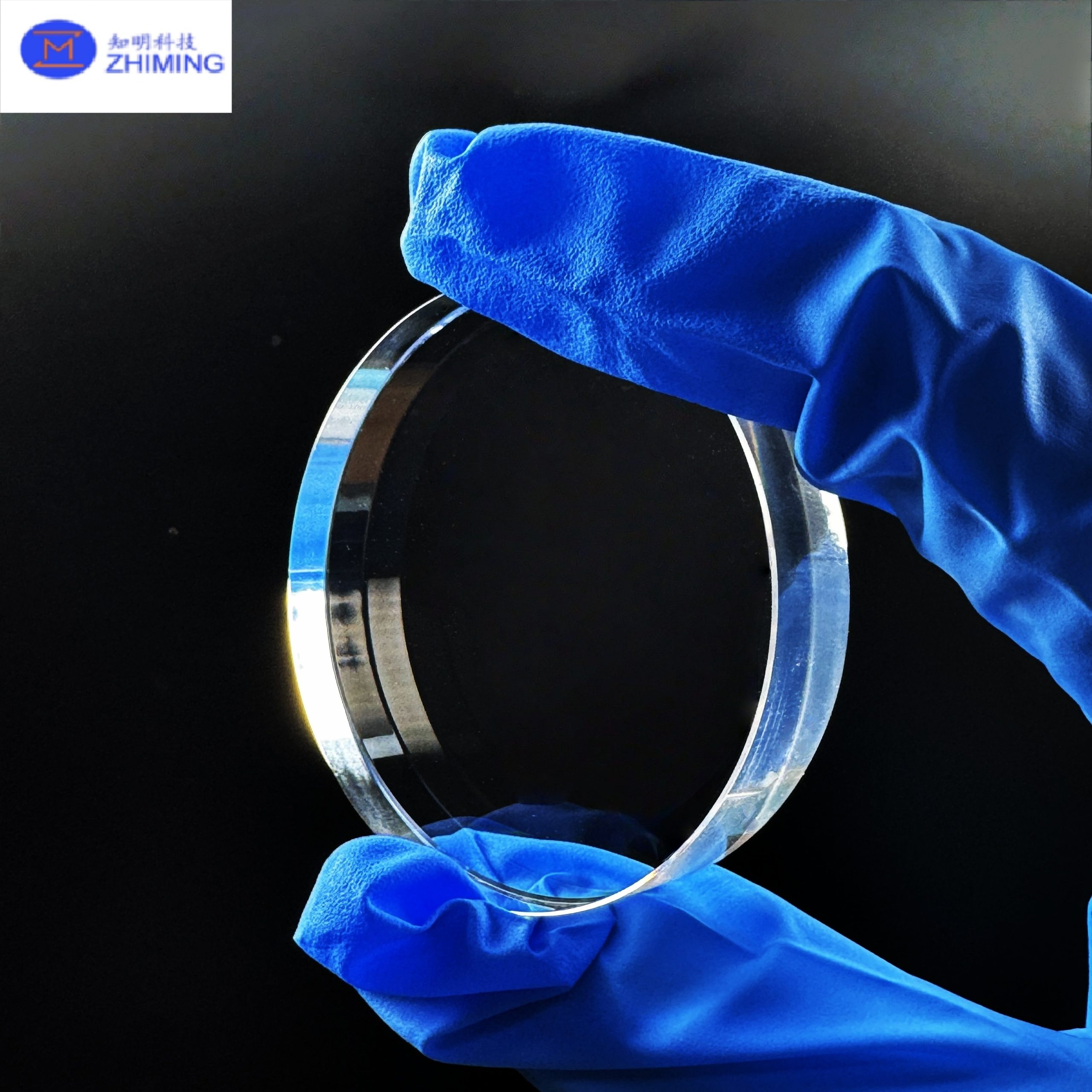
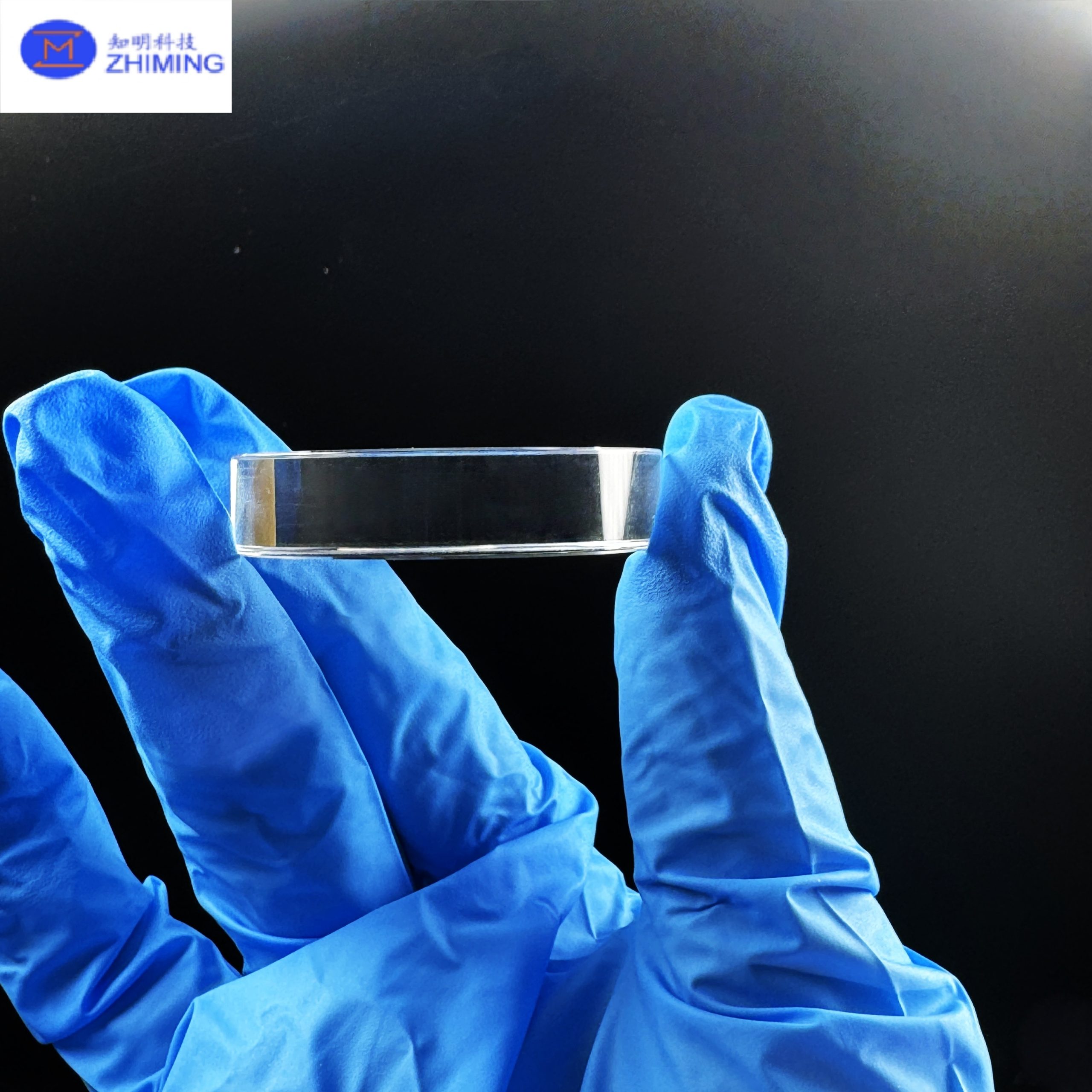
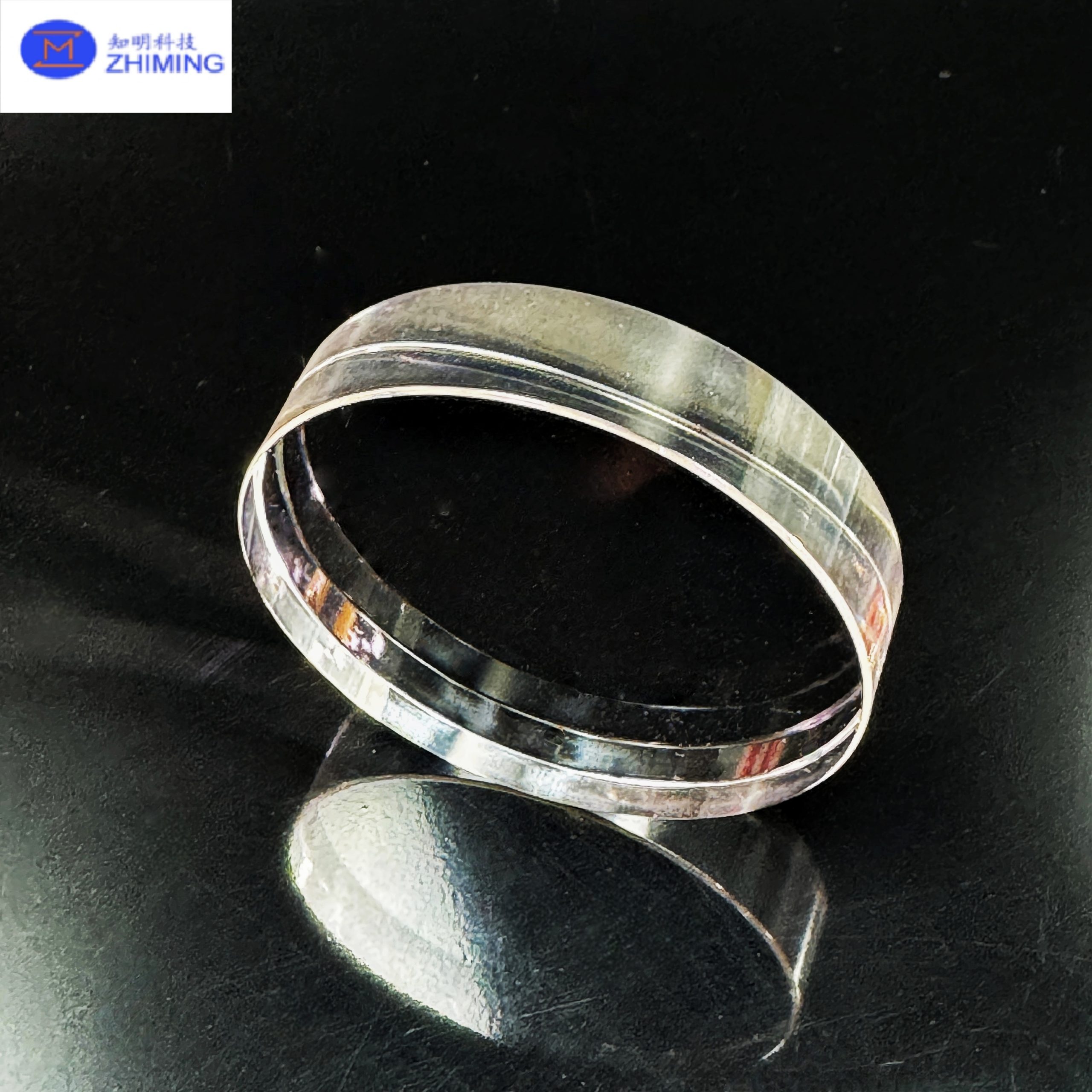
Overview of Sapphire Optical Window
Sapphire optical windows are high-performance components made from single-crystal aluminum oxide (Al₂O₃).
Due to their unique crystalline structure, sapphire windows exhibit:
-
Outstanding hardness
-
Excellent optical transmission
-
Superior thermal and chemical stability
-
Exceptional mechanical strength
They are widely used in aerospace, defense, optics, medical instruments, and industrial applications where durability and reliability are critical.


Typical Specifications (Customizable) of Sapphire Optical Window
| Parameter | Specification |
|---|---|
| Diameter | 5 mm – 300 mm |
| Thickness | 0.1 mm – 20 mm |
| Surface Accuracy | λ/10, λ/4, λ/2 options |
| Parallelism | <1 arcmin |
| Surface Quality | 10/5, 20/10, 40/20 (MIL-PRF-13830B) |
| Transmission | >85% in visible spectrum (uncoated) |
| Coating Options | AR, HR, dual-band, or custom coatings |
Manufacturing Process Overview of Sapphire Optical Window
-
Crystal Growth-
High-purity alumina is melted and grown into sapphire crystals (Czochralski or Kyropoulos methods).
-
Precise control ensures defect-free, optically clear single crystals.
-
-
Cutting
-
Sapphire boules are sliced into blanks using diamond wire saws or laser cutting.
-
Orientation is controlled to optimize optical properties.
-
-
Grinding
-
Mechanical grinding reduces thickness and ensures flat, parallel surfaces.
-
Diamond abrasives are used for precision shaping.
-
-
Polishing
-
High-precision polishing achieves optical-grade surface roughness (RMS < 1 nm).
-
Determines final transmission and imaging quality.
-
-
Quality Inspection-
Interferometers, microscopes, and transmission testers measure flatness, parallelism, and optical clarity.
-
Only qualified windows proceed to finishing.
-
-
Coating (Optional)
-
AR, HR, or multi-layer coatings are applied for improved performance.
-
-
Cleaning & Packaging
-
Ultrasonic cleaning removes particles and contaminants.
-
Packaged in clean, protective environments to avoid damage.
-
Applications of Sapphire Optical Window
-

Laser Systems: High-power laser windows for protection and transmission
-
Aerospace & Defense: Missile domes, aircraft sensors, satellite optics
-
UV/IR Instruments: UV spectrometers, IR detectors, imaging systems
-
Medical Devices: Laser surgery equipment, endoscopes, diagnostic instruments
-
Industrial Monitoring: Furnace windows, pressure sensors, plasma diagnostics
Advantages of Sapphire Optical Window
-
Long service life, reducing maintenance costs
-
Excellent performance under extreme environments (high temperature, high pressure, corrosive conditions)
-
High optical transmission across a wide spectrum
-
Fully customizable for diverse scientific, industrial, and defense applications
FAQ (Frequently Asked Questions) of Sapphire Optical Window
Q1: What is the difference between sapphire windows and quartz or glass windows?
A1: Sapphire windows are much harder (Mohs 9 vs. Mohs 5–7), more durable, and can withstand extreme environments. Quartz or glass windows are less expensive but not suitable for high-stress or high-temperature conditions.
Q2: Can sapphire windows be used with high-power lasers?
A2: Yes. Sapphire windows have low absorption, high damage thresholds, and excellent thermal conductivity, making them ideal for high-power laser applications.
Q3: Are sapphire windows transparent in both UV and IR regions?
A3: Yes. Sapphire transmits from 200 nm (deep UV) up to 5000 nm (mid-IR), covering a broad spectrum.
Q4: What coatings are available?
A4: Anti-reflection (AR), high-reflection (HR), partial transmission, or multi-band coatings can be applied according to application requirements.


レビュー
レビューはまだありません。