
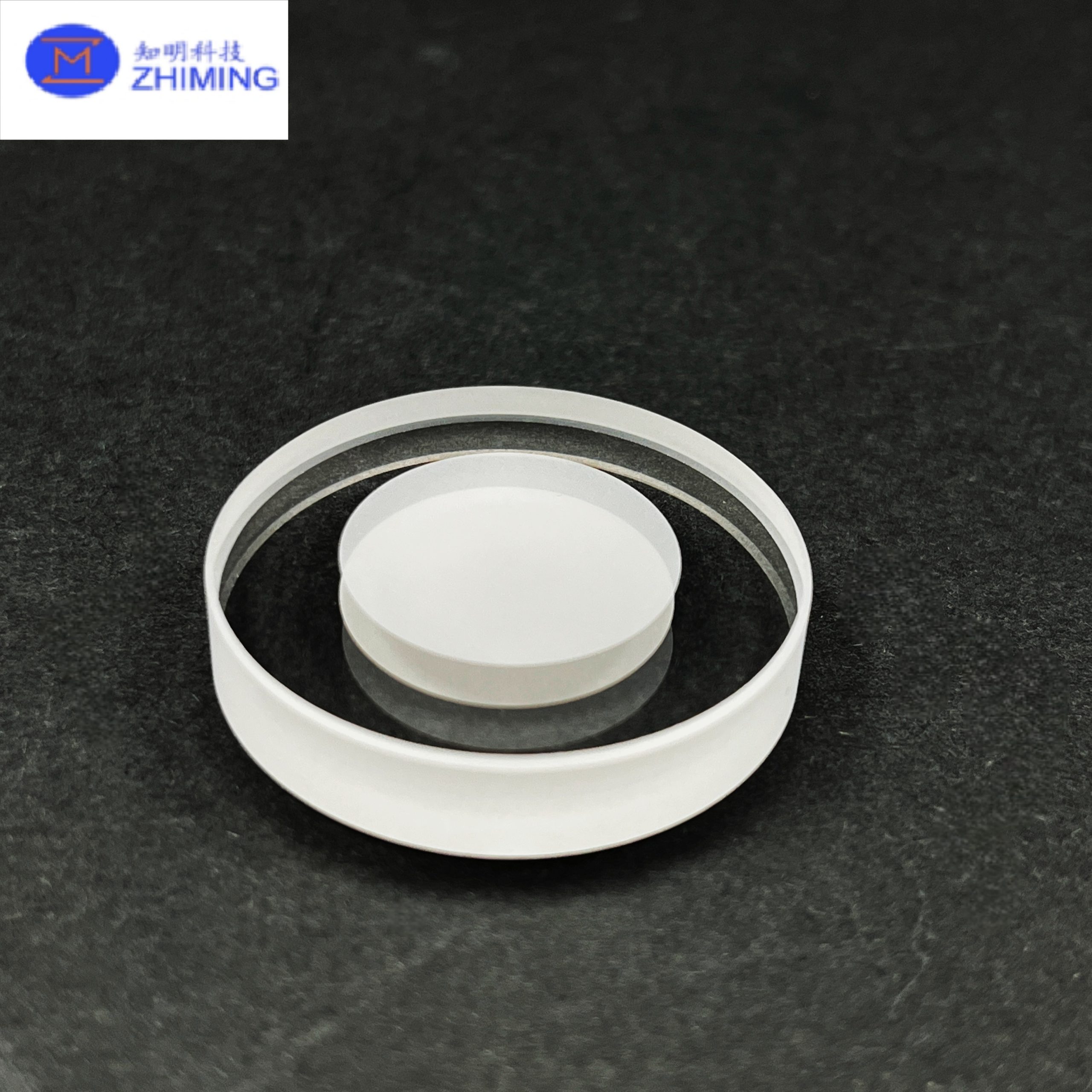
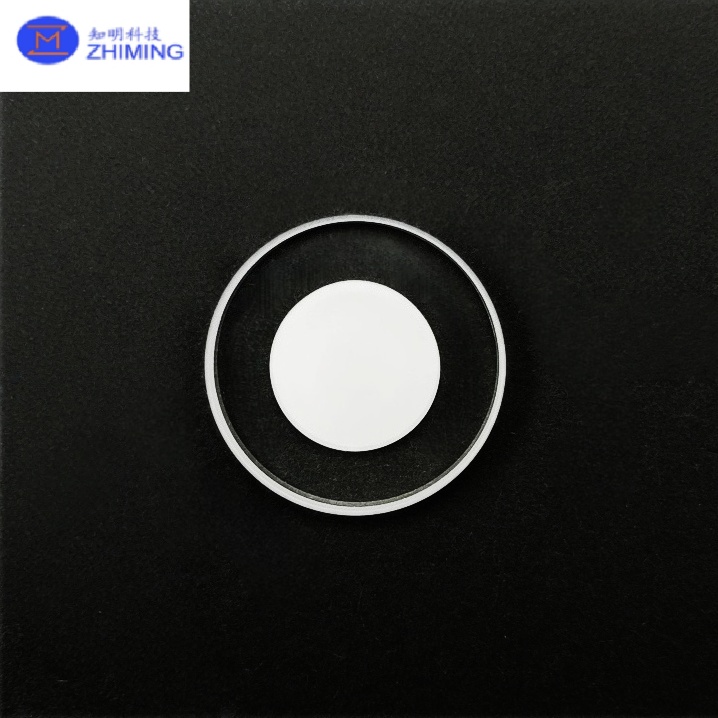
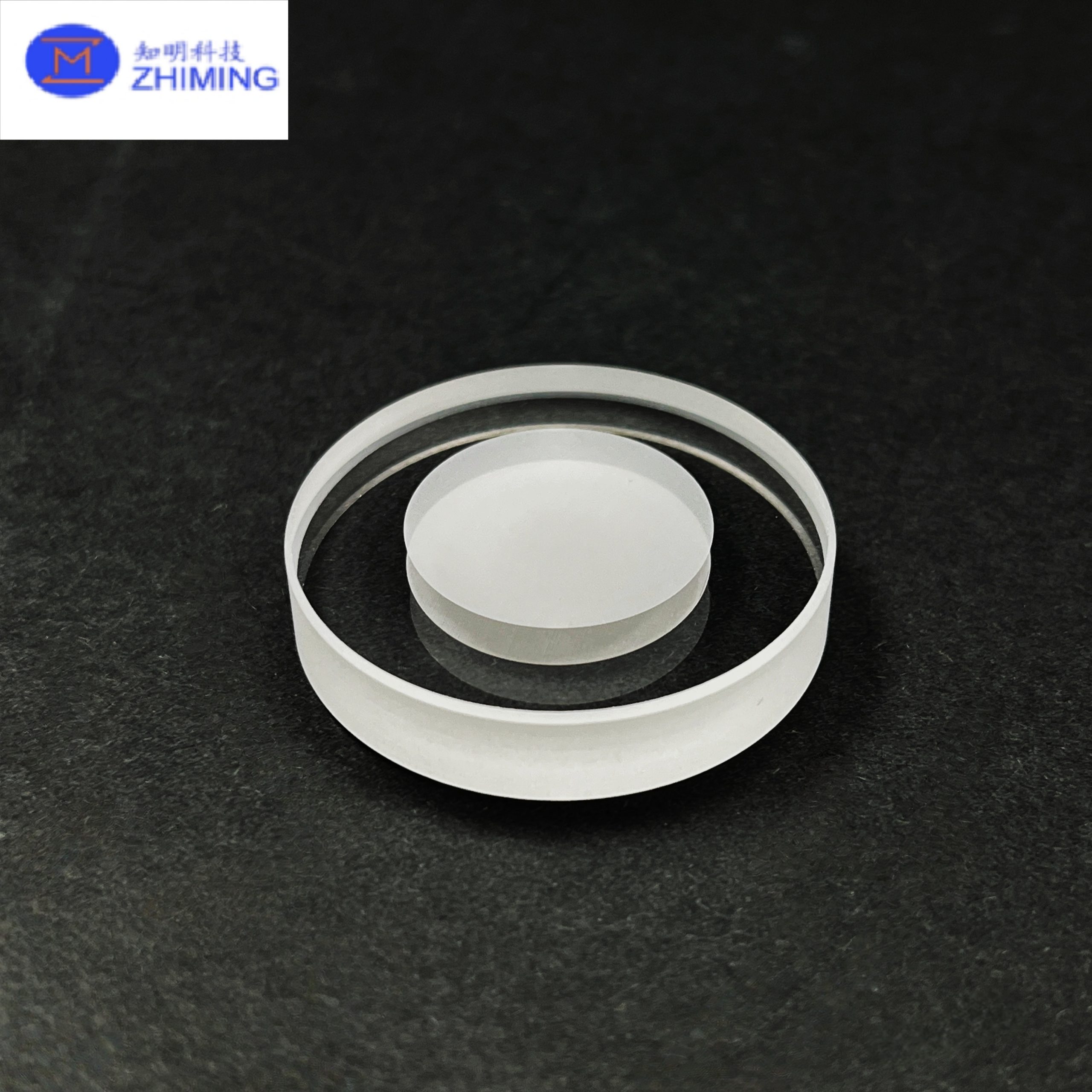
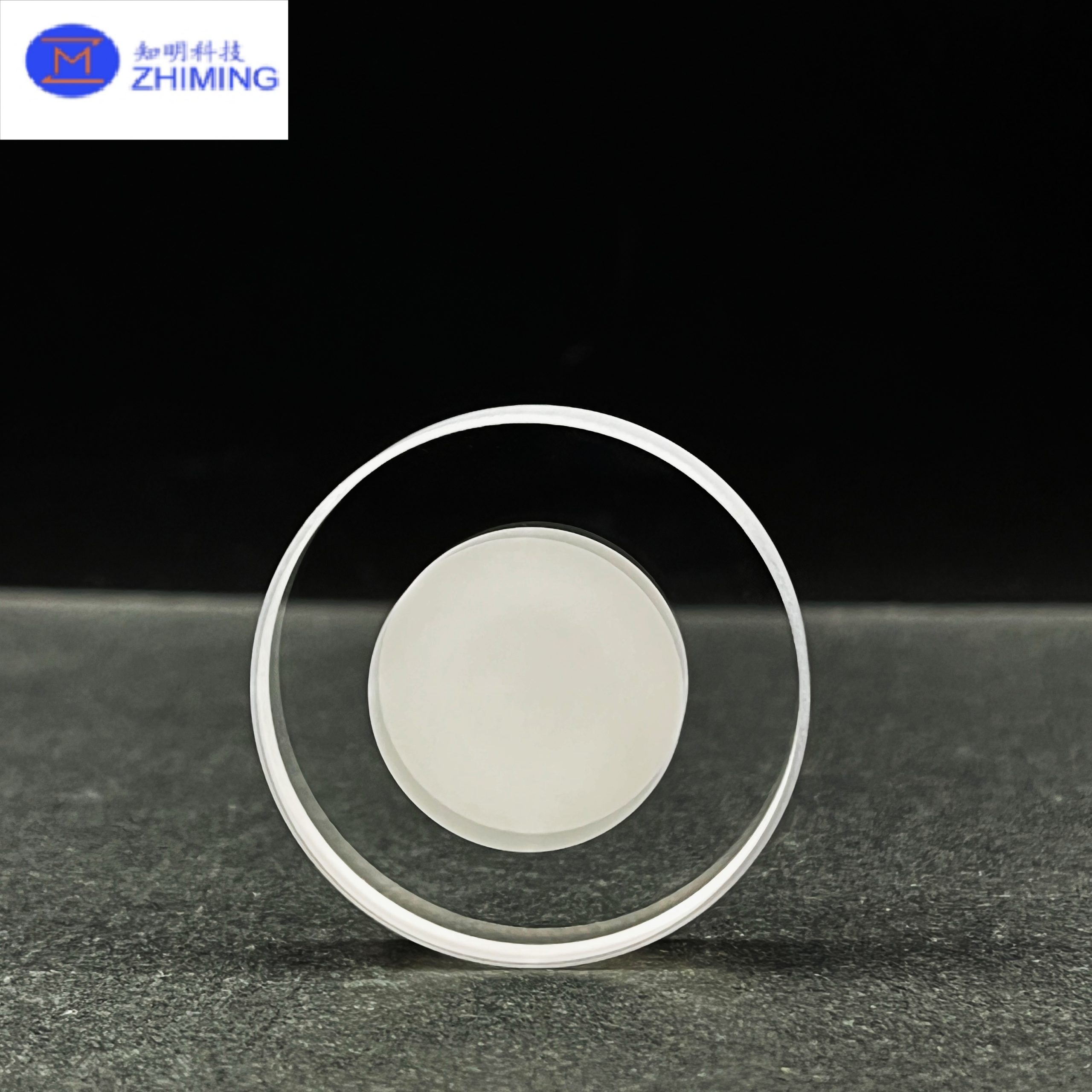
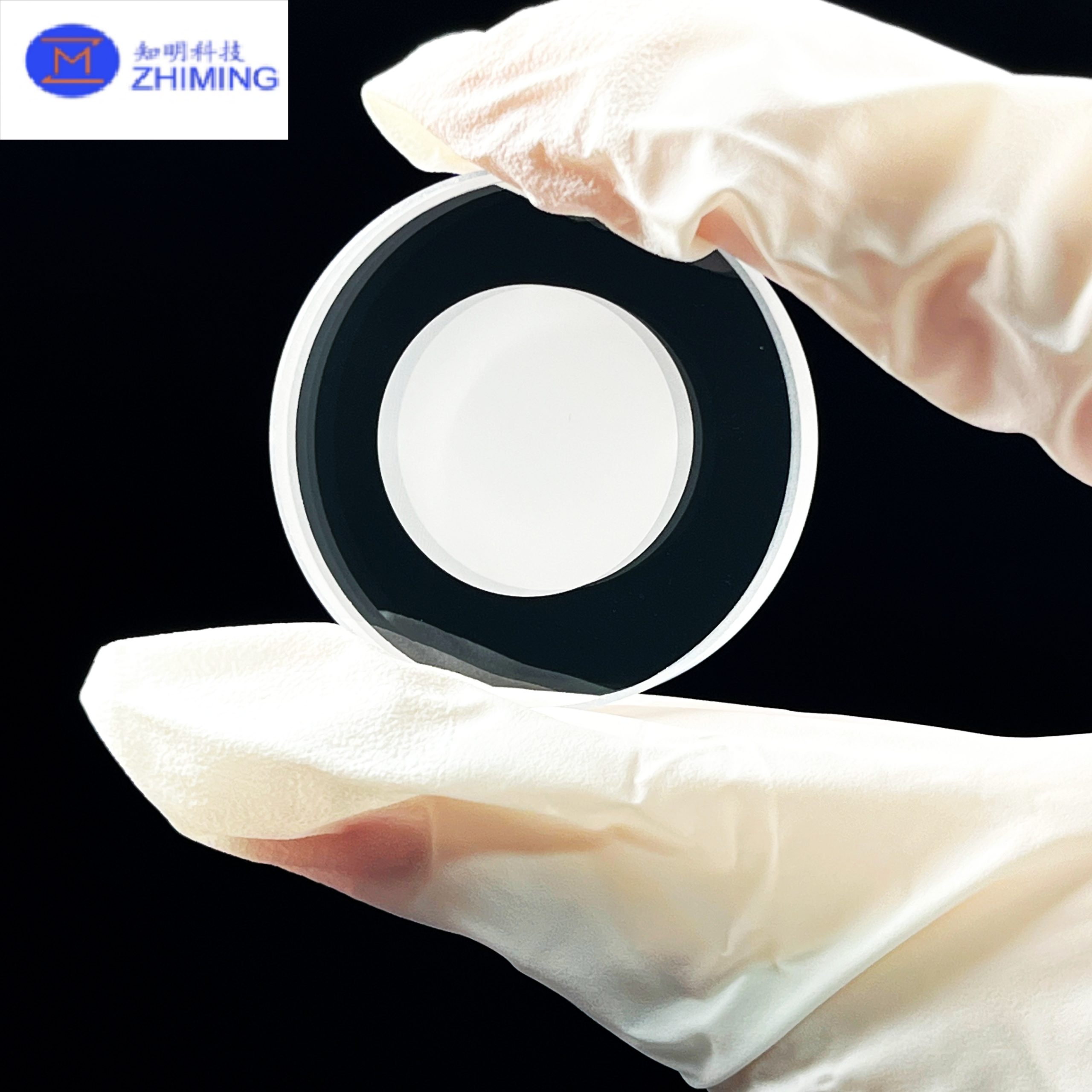
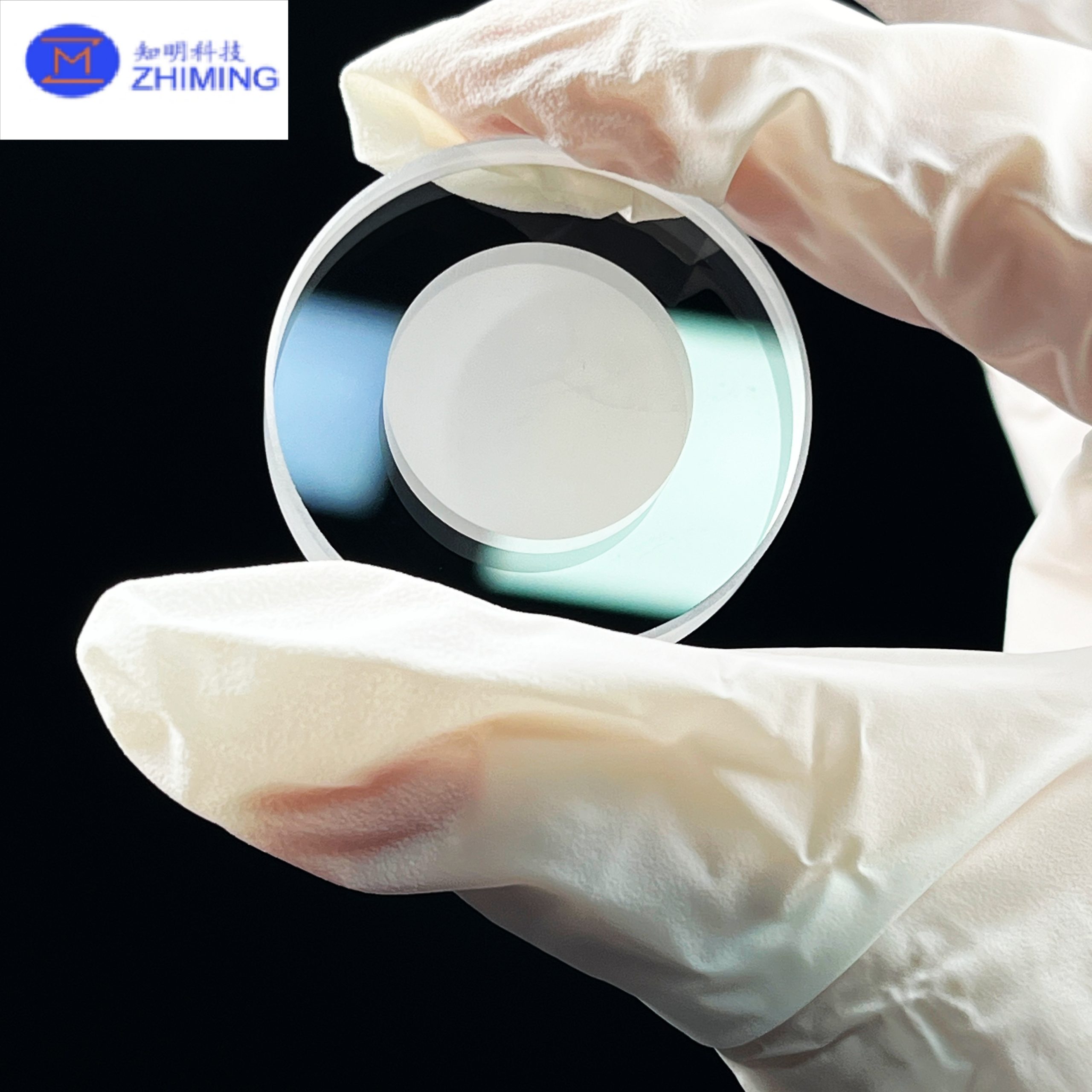
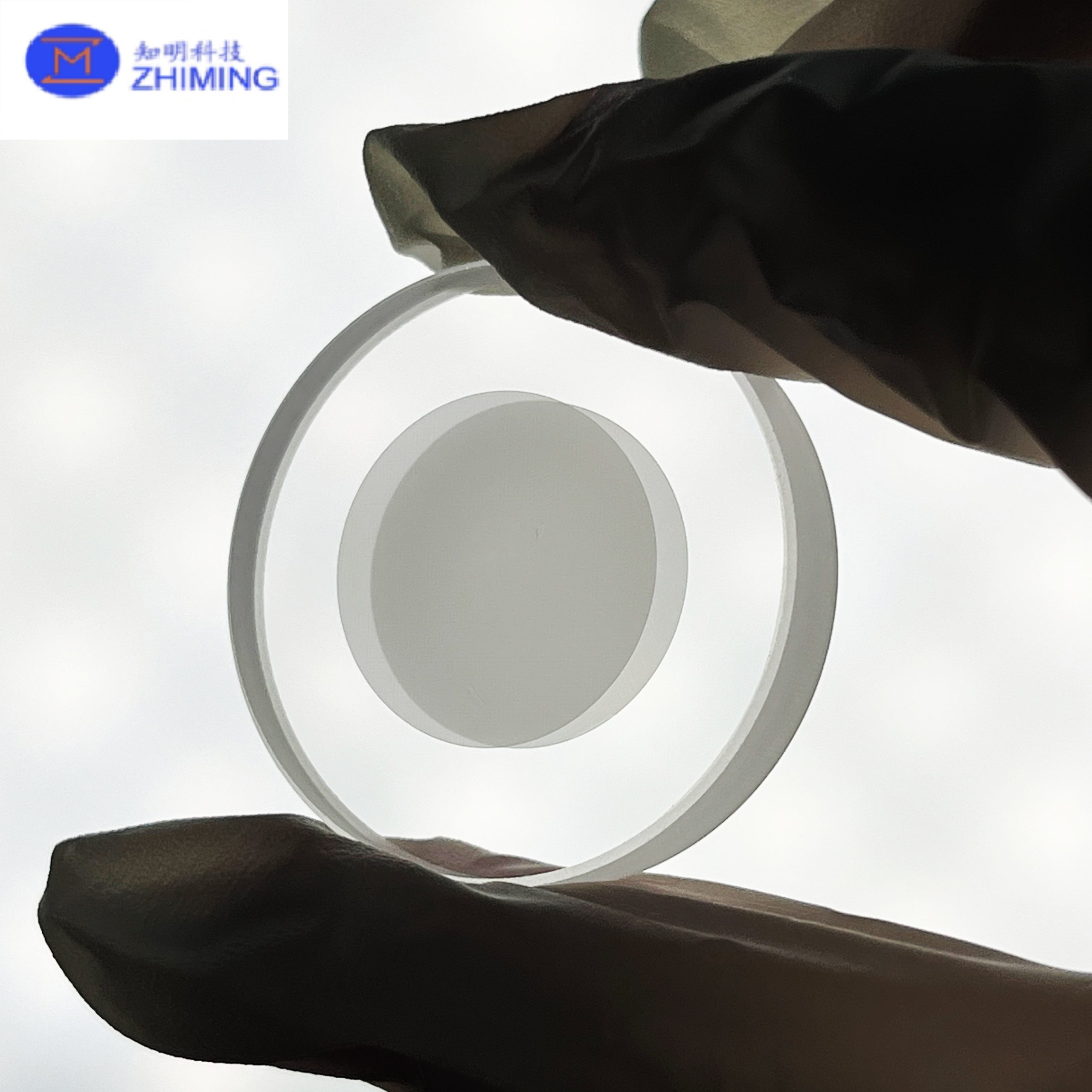
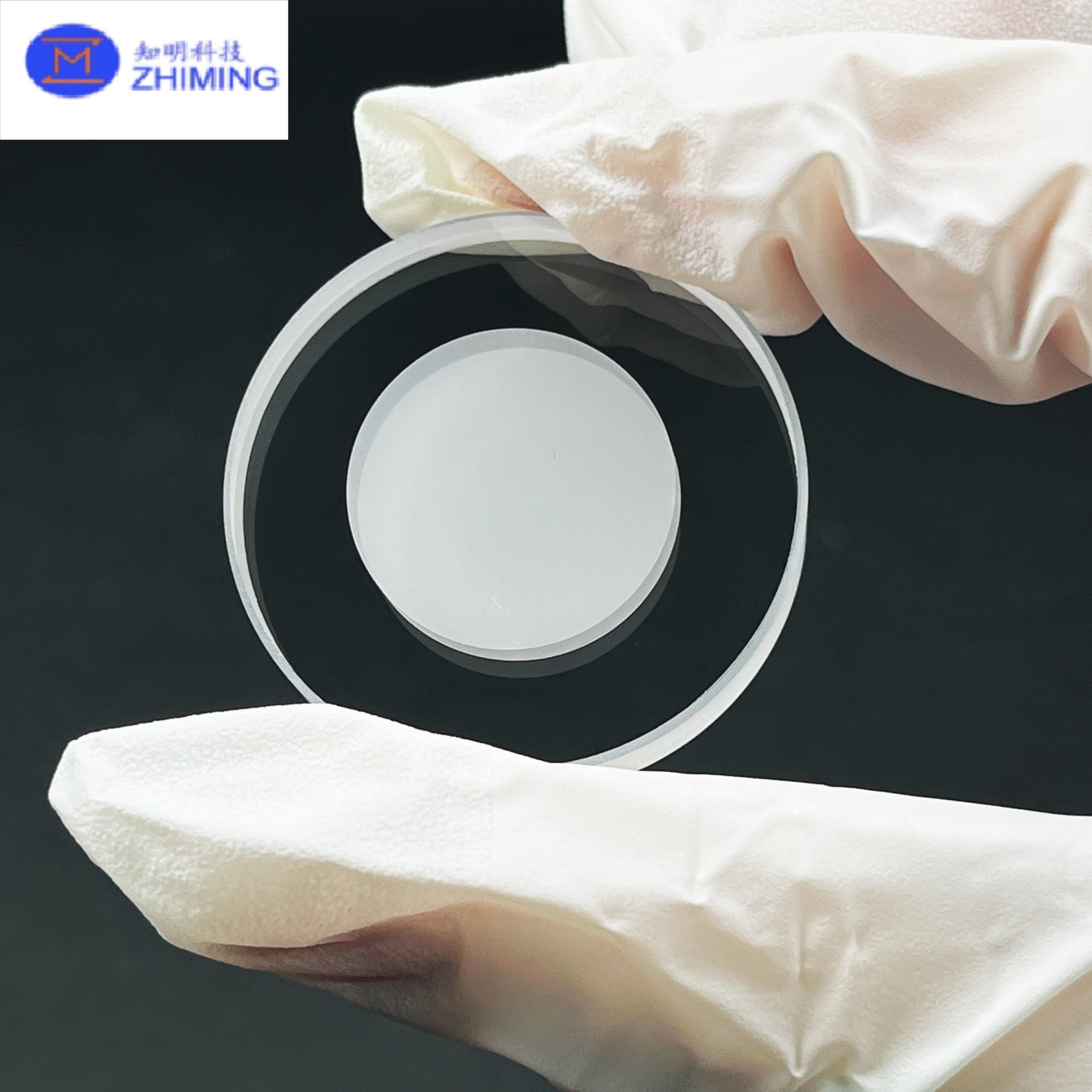

Product Overview
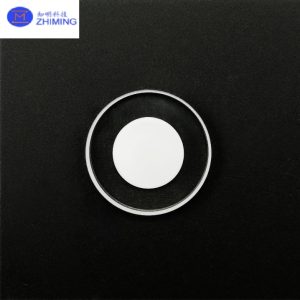
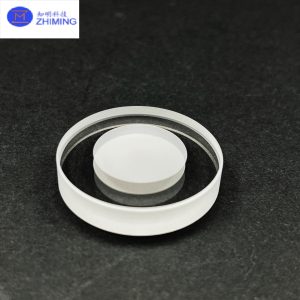
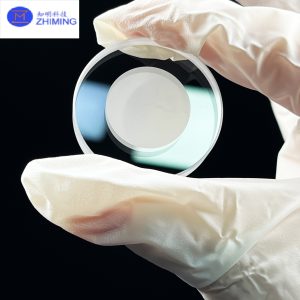
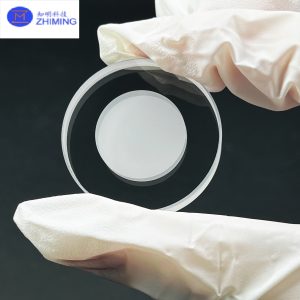
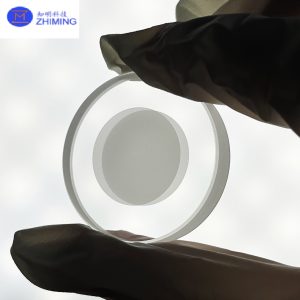
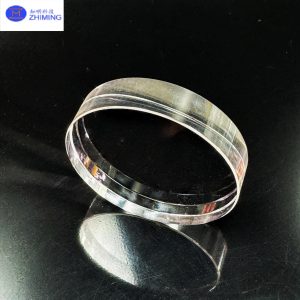
Sapphire windows are high-performance optical components fabricated from single-crystal aluminum oxide (Al₂O₃). Renowned for their exceptional hardness, excellent optical transmission, and outstanding thermal and chemical stability, they are ideal for demanding environments where conventional glass materials fall short.
With a Mohs hardness of 9—second only to diamond—sapphire windows deliver superior scratch resistance and long-term durability. They maintain reliable optical performance across a broad wavelength range, from ultraviolet (UV) to infrared (IR), making them well-suited for precision optical and photonic systems.
Manufacturing Process
Sapphire windows are produced using advanced crystal growth techniques combined with high-precision machining processes to ensure consistent quality and performance.
Crystal Growth Methods
- Kyropoulos (KY) method
- Edge-Defined Film-Fed Growth (EFG)
- Czochralski (CZ) method
Processing Workflow
- Crystal orientation cutting (C-plane, A-plane, R-plane, etc.)
- CNC shaping and edge profiling
- Double-side lapping and polishing
- Surface finishing (optical-grade polish or matte/frosted finish)
- Optional optical coatings (AR, HR, IR)
These processes enable tight dimensional tolerances and exceptional surface quality, achieving up to λ/10 flatness and 10-5 scratch-dig standards.
Key Features
- Ultra-high hardness (Mohs 9): Outstanding resistance to scratches and wear
- Broad optical transmission: 150 nm – 5500 nm
- Excellent thermal stability: Withstands temperatures up to ~2000°C
- Superior chemical resistance: Stable against acids and alkalis
- High mechanical strength: Suitable for high-pressure environments
- Precision surface quality: Ideal for demanding optical applications
Applications
Sapphire windows are widely utilized across various high-tech industries, including:
- Laser systems: Protective windows and optical interfaces
- UV & IR optics: Sensors, detectors, and spectroscopy systems
- Semiconductor equipment: Vacuum chambers and process monitoring ports
- Aerospace & defense: High-speed, high-temperature optical protection
- Medical devices: Durable and biocompatible optical covers
- High-pressure systems: Observation windows in extreme conditions
Specifications
| Parameter | Typical Value / Option |
|---|---|
| Material | Single Crystal Al₂O₃ |
| Purity | ≥ 99.99% |
| Size / Diameter | Custom (1 mm – 300 mm) |
| Thickness | 0.2 mm – 50 mm |
| Surface Quality | 40/20, 20/10, 10/5 |
| Flatness | λ/10 or better |
| Parallelism | ≤ 3 arc min |
| Surface Roughness | Ra < 1 nm |
| Orientation | C-plane, A-plane, R-plane |
| Coating | AR / HR / IR (optional) |
Customization Options
We offer fully customizable solutions to meet specific application requirements:
- Shapes: Round, square, rectangular, or complex geometries
- Edge finishing: Chamfered, beveled, or stepped edges
- Surface options: Double-side polished, single-side polished, or frosted
- Coatings: Anti-reflective (AR), high-reflective (HR), or filter coatings
- Fabrication: Precision machining based on customer drawings
FAQ
Q1: Why choose sapphire instead of glass or quartz?
A: Sapphire offers significantly higher hardness, superior scratch resistance, and a broader transmission range than standard glass or quartz, making it ideal for harsh and high-performance environments.
Q2: Can sapphire windows withstand high temperatures?
A: Yes. Sapphire maintains structural and optical stability at temperatures up to approximately 2000°C, far exceeding most conventional optical materials.
Q3: Are optical coatings necessary?
A: Not always. However, anti-reflective (AR) coatings are often recommended to minimize reflection losses and enhance transmission efficiency.
Q4: Do you support custom sizes and shapes?
A: Absolutely. We provide fully customized sapphire windows based on drawings or detailed technical requirements.
Reviews
There are no reviews yet.